
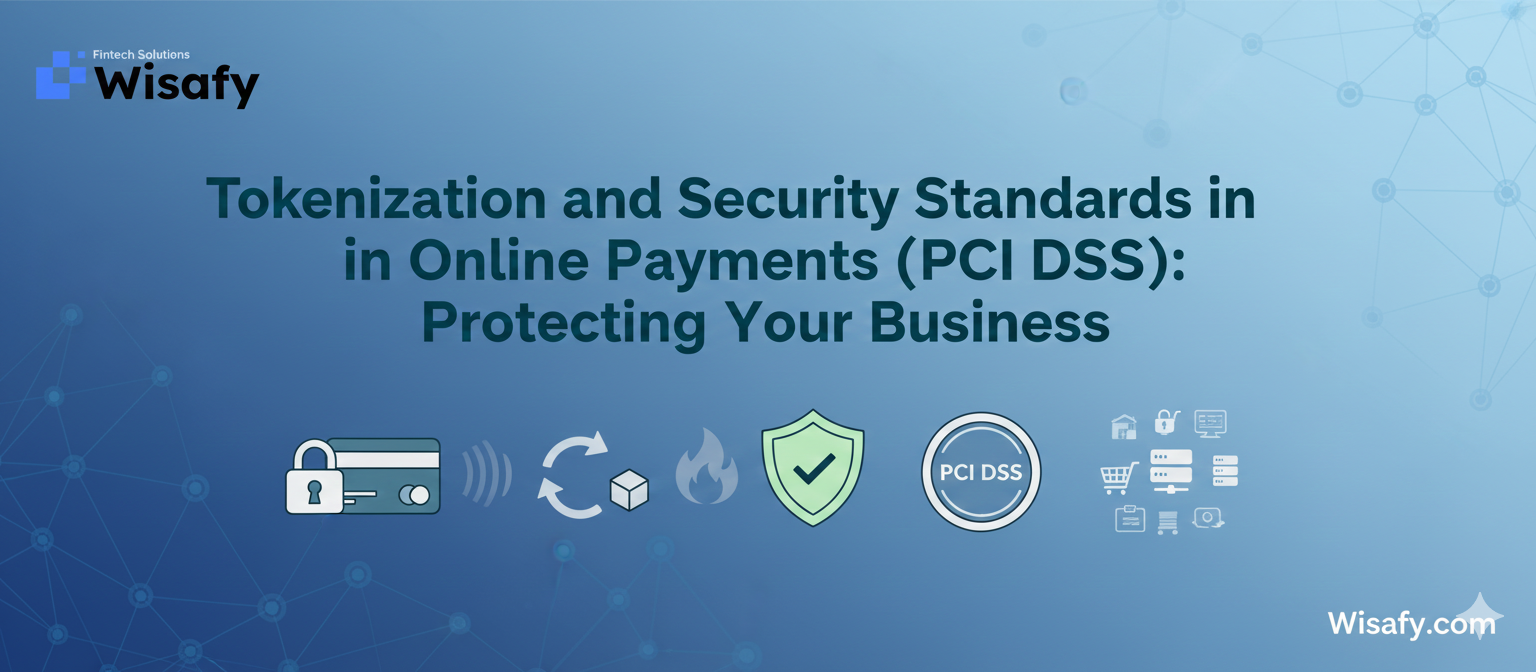
In the digital age, securing online payments has become more critical than ever. As the frequency of cyberattacks rises, protecting sensitive payment data is paramount for businesses, especially those handling credit card information. Two of the most important tools in securing online transactions are tokenization and adherence to PCI DSS (Payment Card Industry Data Security Standard).
In this blog post, we’ll explore how tokenization works to protect sensitive payment data, and how complying with PCI DSS security standards helps businesses reduce the risk of data breaches and maintain customer trust.
What is Tokenization in Online Payments?
Tokenization is a process used in online payments to protect sensitive information, such as credit card numbers, by replacing it with a randomly generated string of characters known as a token. This token serves as a reference to the original payment data but cannot be used outside of its specific context.
For example, instead of storing a customer’s credit card number directly, a payment system would generate a token that links to the original card data but cannot be used by anyone without access to the appropriate decryption keys. In the event of a security breach, attackers would only gain access to the token, not the actual credit card number or other sensitive information.
Benefits of Tokenization:
- Reduced Risk: Tokenization significantly lowers the risk of fraud because the sensitive card data is never stored in the payment system.
- Simplified Compliance: Tokenization can help businesses meet PCI DSS requirements by eliminating the need to store sensitive card data.
- Enhanced Security: Even if a hacker gains access to tokenized data, it is virtually useless without the corresponding decryption keys.
What is PCI DSS (Payment Card Industry Data Security Standard)?
The Payment Card Industry Data Security Standard (PCI DSS) is a set of security standards designed to ensure that companies handling credit card payments do so securely and protect sensitive customer data. It was created by major credit card companies (Visa, MasterCard, American Express, Discover, and JCB) and is a global standard for any business that processes, stores, or transmits payment card information.
The PCI DSS framework outlines requirements for maintaining a secure environment to protect cardholder data and prevent data breaches. The standards are updated regularly to address emerging threats and vulnerabilities, ensuring businesses stay ahead of potential cyberattacks.
PCI DSS Security Standards for Online Payments
The PCI DSS framework consists of 12 requirements that fall under six key objectives. These requirements cover areas such as network security, encryption, and access control. Let’s take a closer look at how PCI DSS guidelines help secure online payments.
1. Build and Maintain a Secure Network
The first step in securing payment data is to create a secure network. This involves using firewalls, routers, and other security measures to protect against unauthorized access. Firewalls and other protective measures prevent hackers from gaining access to sensitive cardholder data.
2. Protect Cardholder Data
Encryption is one of the most important security measures under PCI DSS. Sensitive payment information must be encrypted both in transit and at rest. This ensures that even if data is intercepted during transmission, it cannot be read without the decryption keys.
Tokenization fits within this requirement by substituting sensitive data with a token that cannot be intercepted or decrypted without proper authorization.
3. Maintain a Vulnerability Management Program
To stay secure, businesses must continually update their software and systems to patch vulnerabilities. This includes using anti-virus software, ensuring regular updates, and keeping systems up to date to protect against malware and other threats.
4. Access Control Measures
Access to cardholder data should be restricted to authorized personnel only. This requirement ensures that only those who need access to payment data for legitimate business purposes can view or use it.
Businesses are required to create and enforce user access policies and regularly monitor access logs to detect any unauthorized attempts to view or manipulate sensitive data.
5. Regular Monitoring and Testing
PCI DSS requires businesses to implement regular monitoring and testing to identify potential vulnerabilities and ensure security controls are working effectively. This includes routine penetration testing, system monitoring, and vulnerability scanning.
6. Maintain an Information Security Policy
An organization’s information security policy should outline the company’s security goals, strategies, and responsibilities. This policy should be regularly updated to reflect new threats and evolving best practices.
How Tokenization and PCI DSS Work Together
Tokenization and PCI DSS complement each other to create a layered approach to payment data security.
- Tokenization removes the sensitive data from the system entirely, meaning that there is less chance of data being stolen in the first place.
- PCI DSS ensures that the systems that handle payment information are secure, and that businesses follow industry standards to protect cardholder data.
By using tokenization as a part of the PCI DSS framework, businesses can significantly reduce their risk of data breaches, simplify compliance, and enhance overall security.
How Tokenization Helps Meet PCI DSS Requirements
The goal of PCI DSS is to ensure that sensitive payment data is protected at all times. Tokenization plays a critical role in meeting several key PCI DSS requirements:
1. Reducing Cardholder Data Storage
By using tokenization, businesses can avoid storing sensitive payment information, which is a major requirement under PCI DSS. This can dramatically reduce the scope of PCI DSS compliance because fewer systems need to be secured.
2. Data Encryption and Tokenization
Tokenization itself is a form of encryption. By replacing real payment data with a token, businesses meet the PCI DSS requirements for encryption and data protection, even when handling sensitive customer data.
3. Limiting Access to Sensitive Data
With tokenization, sensitive cardholder data is removed from your system and replaced with tokens. This makes it easier to comply with PCI DSS’s access control and data minimization requirements since only the necessary employees will have access to the tokens, not the actual payment data.
Key Benefits of Tokenization and PCI DSS for Online Payments
1. Enhanced Security
The most significant benefit of using tokenization and PCI DSS standards is the enhanced security they provide. With tokenized payment data, the risk of fraud is minimized, and if a data breach occurs, the stolen tokens are useless without access to the decryption keys.
2. Simplified Compliance
Tokenization makes it easier to comply with PCI DSS by reducing the amount of sensitive data that needs to be stored and managed. This reduces the scope of the compliance requirements and simplifies the process.
3. Reduced Risk of Data Breaches
By removing sensitive data from your systems entirely, tokenization dramatically reduces the chance of a successful data breach. If a hacker gains access to tokenized data, it won’t lead to a compromise of sensitive payment information.
4. Cost Savings
Tokenization can help reduce the costs associated with storing, securing, and protecting sensitive payment data. By simplifying PCI DSS compliance and reducing the risk of breaches, businesses can lower their compliance and security costs.
Best Practices for Implementing Tokenization and PCI DSS
- Choose a Trusted Tokenization Provider: Work with a reliable tokenization provider who complies with PCI DSS standards and offers secure tokenization solutions.
- Regularly Monitor and Test Your Security: Continuously monitor your systems for vulnerabilities and conduct regular security testing to ensure that your security measures are effective.
- Educate Your Employees: Ensure that your staff is trained on PCI DSS compliance and how to handle tokenized payment data securely.
- Implement Strong Access Controls: Limit access to sensitive data and tokenized information to only authorized personnel.
Conclusion
Tokenization and PCI DSS security standards are essential for protecting sensitive payment data and ensuring the security of online payments. Tokenization helps to reduce the risk of data breaches by replacing sensitive card information with tokens, while PCI DSS provides a comprehensive framework for securing payment data across systems. By adopting both practices, businesses can enhance their security, streamline their compliance efforts, and protect their customers’ financial information.


Leave a Reply