
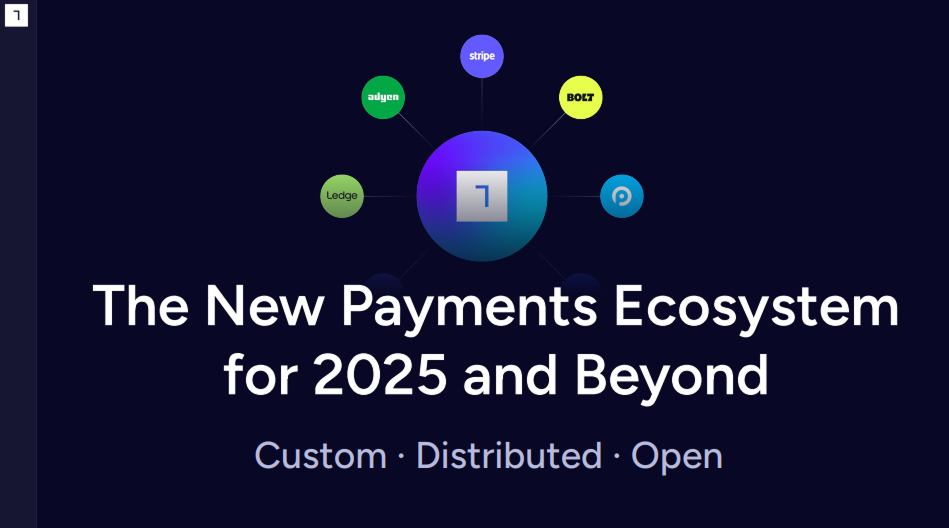
Key Elements of a Successful Payment Ecosystem are not just buzzwords; they’re the blueprint for building trust, scale, and profitability in modern commerce. In this guide, you’ll learn how the best systems combine regulation, security, interoperability, user experience, data, and partnerships into a coherent whole that grows with your business. Along the way, we’ll ground each pillar in credible data and proven frameworks so you can confidently apply them.
Why Payment Ecosystems Matter
Global payment volumes and rails keep expanding, while behind the scenes complexity rises. Industry analyses show user-facing experiences may look simpler, yet providers juggle more networks, rules, and risk controls than ever—making the Key Elements of a Successful Payment Ecosystem vital to get right.
Meanwhile, public-sector datasets (BIS, ECB) track steady growth in electronic payments and terminals across regions, underlining how scale and access are shaped by infrastructure and regulation—core considerations when designing the Key Elements of a Successful Payment Ecosystem.
Core Pillars of a Successful Payment Ecosystem
1) Regulation & Compliance
Compliance is the non-negotiable foundation of the Key Elements of a Successful Payment Ecosystem. For card data, PCI DSS v4.0 formalizes controls around authentication, encryption, logging, and vulnerability management. Treat these not as checkboxes but as design constraints to bake into your product roadmap (e.g., periodic scans, secure software lifecycle, strong access controls).
On the messaging and cross-border side, the shift toward ISO 20022—endorsed and harmonized by global bodies—enables richer, structured data that improves reconciliation, sanctions screening, and straight-through processing. Consistent implementation reduces fragmentation and enhances interoperability, a hallmark of the Key Elements of a Successful Payment Ecosystem.
2) Security & Fraud Intelligence
A successful ecosystem must detect and respond to threats in real time. Go beyond static rules by combining device intelligence, behavioral biometrics, velocity checks, and graph-based link analysis. Align controls with PCI DSS requirements to strengthen your posture. These practices directly support the Key Elements of a Successful Payment Ecosystem by safeguarding trust at scale.
3) Interoperability & Rails
Merchants and PSPs increasingly orchestrate multiple rails—cards, instant payments, A2A, wallets, and, in some markets, compliant stablecoin rails—routing transactions dynamically to optimize cost, speed, and acceptance. Industry research notes the rise of diverse payment rails and the competitive race to deliver faster, cheaper, more transparent cross-border payments—core to the Key Elements of a Successful Payment Ecosystem.
User Experience (UX) That Converts
4) Checkout & Acceptance Optimization
Frictionless UX is central to the Key Elements of a Successful Payment Ecosystem. Offer localized payment methods, one-tap wallets, saved credentials, and intelligent retries. Use dynamic routing to favor rails with higher approval rates for each market. McKinsey surveys show digital payment adoption continues to climb across the US and Europe; meeting users where they are is table stakes.
5) Inclusivity & Access
Financial inclusion data reveals strong links between account ownership, mobile access, and digital payment usage. The World Bank’s Global Findex remains a definitive reference—and its 2025 edition expands measurement of digital connectivity, underscoring the importance of mobile infrastructure in inclusive payment strategies. Designing for inclusion is not optional—it’s part of the Key Elements of a Successful Payment Ecosystem.
6) Data Quality & ISO 20022 Enrichment
Richer remittance fields and standardized identifiers reduce manual work and chargeback disputes. Harmonized ISO 20022 data requirements are expected to improve cross-border efficiency when consistently adopted—an anchor benefit within the Key Elements of a Successful Payment Ecosystem.
7) Real-Time Risk & Revenue Intelligence
Track approval rates, cost per transaction, fraud loss, and chargeback ratios by market, BIN, and rail. Tie merchant-level insights to product changes. Industry reports point to record payment flows and rising complexity—data-driven routing and pricing decisions are now decisive advantages in the Key Elements of a Successful Payment Ecosystem.
At-a-Glance: Metrics That Matter
| Element | Key Metric | Target / Direction | Why it matters |
|---|---|---|---|
| Authorization | Auth rate (by BIN/rail) | > 90% in core markets | Directly impacts conversion & revenue |
| Cost | Blended cost / tx | Trend ↓ over time | Optimizes margin via smart routing |
| Risk | Fraud loss % | < 0.1–0.2% (use-case dependent) | Keeps disputes & penalties down |
| Disputes | Chargeback ratio | < scheme thresholds | Maintains scheme standing |
| Ops | STP / auto-reconciliation | Trend ↑ via ISO 20022 | Reduces manual effort & errors |
Partnerships & Governance
8) Orchestration & Vendor Strategy
Successful ecosystems seldom go it alone. PSPs, acquirers, gateways, fraud vendors, and networks form an evolving mesh. Use a clear vendor matrix—who provides what, in which region, on which SLAs—to ensure the Key Elements of a Successful Payment Ecosystem are consistently delivered across markets.
9) Operating Model & Controls
Codify an operating model: who decides routing, pricing, and fraud thresholds; how quickly you can deploy updates; and what guardrails protect brand and balance sheet. Map controls to PCI DSS and local regulatory obligations to keep your Key Elements of a Successful Payment Ecosystem audit-ready.
Putting It All Together: A Practical Blueprint
Step-by-Step Roadmap
- Assess current state: map rails, regions, auth rates, costs, fraud loss, and compliance gaps against the Key Elements of a Successful Payment Ecosystem.
- Close compliance gaps: align with PCI DSS v4.0; document encryption, key management, access reviews, scanning cadence
- Adopt ISO 20022 where applicable: enrich data, standardize remittance, improve screening & reconciliation.
- Optimize UX: local methods, wallets, one-tap; retry/route logic for higher approvals—critical within the Key Elements of a Successful Payment Ecosystem.
- Instrument analytics: dashboards for auth, cost, fraud, chargebacks by rail/BIN/region; set targets and run A/B routing experiments.
- Plan for new rails: evaluate instant A2A and compliant digital asset rails where regulation and economics justify it, guided by current market reports.
Evidence & Emerging Signals
Recent industry snapshots point to record digital flows in corporate and retail segments; large banks report trillions in daily processing and rapid growth in digital channels, evidence that robust rails and UX translate into scale. At the policy/standards layer, BIS, ECB, and SWIFT continue to steer harmonization and data quality—structural enablers for the Key Elements of a Successful Payment Ecosystem.
Conclusion
To recap, the Key Elements of a Successful Payment Ecosystem are:
- Rigorous regulation & compliance (PCI DSS, local rules)
- Layered security & fraud intelligence
- Standards-driven interoperability (ISO 20022, cross-border harmonization)
- High-converting user experience with localized methods and smart routing
- Actionable data & analytics to optimize approvals, cost, and risk
- Clear partnerships & governance for consistent global execution
When these building blocks work together, you unlock trust, reach, and growth. Which pillar is your biggest challenge today—compliance, interoperability, or conversion? Tell us in the comments and share your wins or roadblocks so others can learn, too.


Leave a Reply