
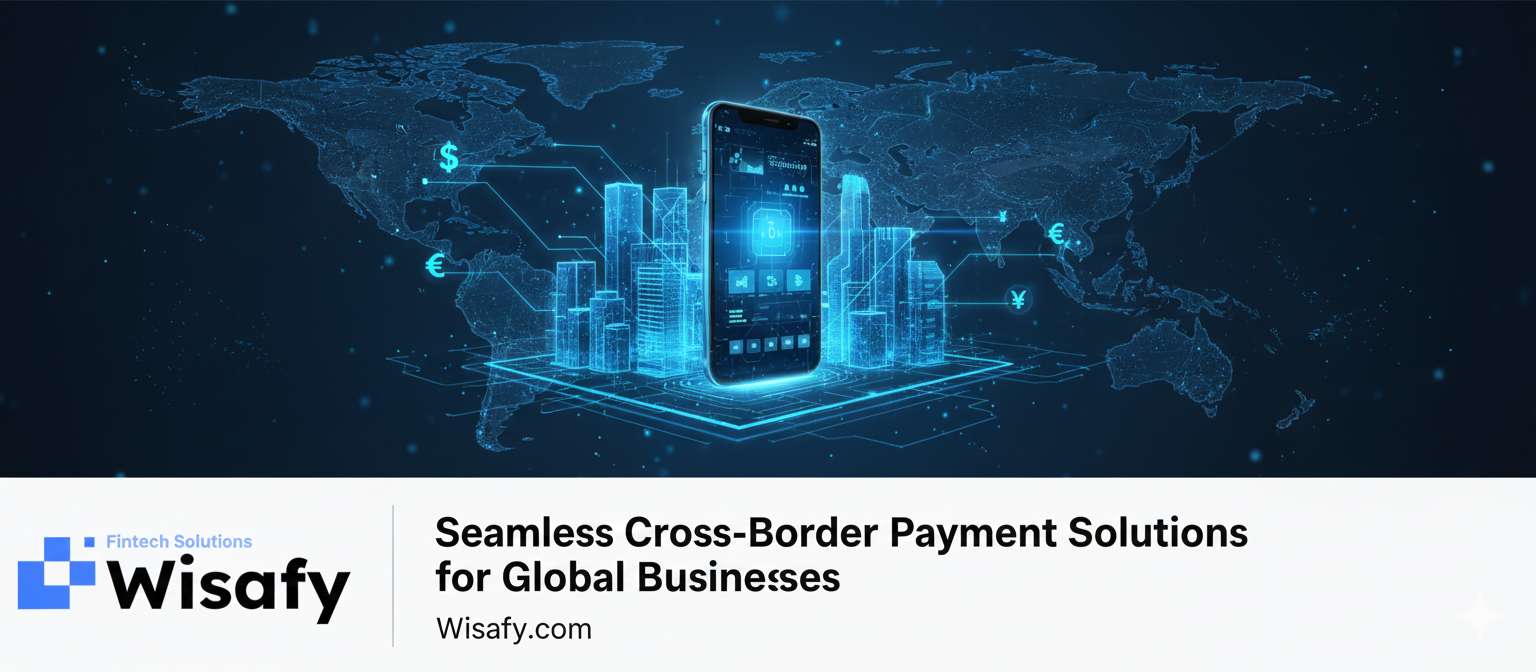
In today’s fast-paced and interconnected world, global businesses are seeking efficient, secure, and cost-effective ways to manage international transactions. Cross-border payments are essential for organizations operating across borders, but traditional methods often come with significant challenges such as high fees, slow processing times, and a lack of transparency. As businesses continue to expand globally, the need for seamless, digital cross-border payment solutions has never been greater.
Why Cross-Border Payments Matter to Global Businesses
Cross-border payments enable businesses to send and receive money across international borders, supporting the trade of goods, services, and investments. However, they can often be a logistical nightmare. With multiple currencies, various regulatory requirements, and different banking systems, the process of sending money abroad can become a complicated and costly endeavor.
Global businesses need solutions that not only streamline this process but also improve efficiency, reduce costs, and ensure security.
Challenges in Traditional Cross-Border Payment Methods
- High Transaction Fees: Traditional banks and payment providers typically charge high fees for cross-border transfers. These fees can be a significant burden, especially for small-to-medium-sized businesses.
- Slow Processing Times: Traditional cross-border payments can take days, sometimes even weeks, to complete due to banking hours, intermediary banks, and manual processing.
- Currency Exchange Hassles: Fluctuating exchange rates and hidden costs can make currency conversion unpredictable. Without transparency, businesses may end up paying far more than expected.
- Regulatory Compliance: Each country has its own financial regulations and compliance standards, making it difficult for businesses to navigate the legal landscape of international payments.
- Security Risks: With the rise of digital fraud, ensuring the safety and integrity of financial transactions is a significant concern for global businesses.
How Seamless Cross-Border Payment Solutions Work
The rise of digital payments and fintech innovations has revolutionized the way businesses handle cross-border transactions. Seamless cross-border payment solutions leverage advanced technologies like blockchain, real-time settlement systems, and digital wallets to offer faster, more secure, and cost-effective alternatives to traditional banking methods.
1. Instant Payment Processing
One of the most significant advantages of modern payment solutions is the ability to facilitate real-time transactions. With technologies like blockchain and peer-to-peer (P2P) networks, payments are processed almost instantly, reducing the need for intermediaries and eliminating delays associated with traditional banking hours.
2. Lower Transaction Costs
Digital payment solutions can dramatically reduce transaction fees by cutting out intermediary banks and offering more competitive rates. With lower costs for international transfers, businesses can allocate resources more effectively, boosting their profitability.
3. Transparent Currency Exchange
Blockchain technology, for example, can provide transparency in currency conversion, offering businesses a clear and predictable view of exchange rates. This helps mitigate the risks associated with volatile currencies and hidden fees, making international payments more predictable.
4. Improved Security
With robust encryption, fraud detection systems, and secure blockchain networks, modern cross-border payment solutions are much safer than traditional systems. Real-time fraud detection and verification protocols ensure that payments are secure, minimizing the risk of financial losses due to cyber threats.
5. Simplified Compliance
Leading payment providers are developing solutions that streamline the regulatory compliance process for global businesses. By automating KYC (Know Your Customer) and AML (Anti-Money Laundering) procedures, these solutions reduce the administrative burden of ensuring compliance with various international regulations.
Key Benefits of Seamless Cross-Border Payment Solutions
- Speed: No more waiting for days for payments to clear. With seamless solutions, payments can be processed in real-time, reducing delays in cash flow.
- Cost Efficiency: Say goodbye to high transaction fees. Digital payments lower overall costs, enabling businesses to save money on every international transfer.
- Greater Transparency: With clear exchange rates and no hidden charges, businesses can easily track payments and know exactly how much they’re paying.
- Scalability: As your business grows globally, your payment solutions can scale with you, supporting transactions in multiple currencies and regions.
- Security: Advanced encryption and fraud detection provide peace of mind, ensuring that payments are made securely and without risk.
Popular Cross-Border Payment Solutions for Global Businesses
- Wise (formerly TransferWise)
Wise is a leading solution for cross-border payments that offers low-cost transfers, transparent fees, and real exchange rates. It allows businesses to send payments to over 70 countries and 50 currencies.
- PayPal
PayPal is one of the most widely used payment platforms for cross-border payments, offering a simple, secure, and fast way to send and receive money worldwide. With a broad network of users, PayPal is ideal for businesses looking to scale internationally.
- Revolut
Revolut offers a comprehensive solution for global businesses, providing services like currency exchange, international transfers, and multi-currency accounts. With competitive exchange rates and low fees, Revolut makes it easy for businesses to manage their cross-border payments.
- RippleNet
RippleNet leverages blockchain technology to provide fast, secure, and low-cost cross-border payments. Businesses using RippleNet can settle payments in real-time, minimizing transaction times and reducing fees.
- Veem
Veem is a B2B payment platform that supports cross-border payments in over 100 countries. With a focus on simplifying the payment process for small and medium-sized businesses, Veem offers competitive rates and an easy-to-use interface.
Conclusion
As global commerce continues to expand, the need for seamless, efficient, and secure cross-border payment solutions is more important than ever. Traditional payment methods no longer meet the demands of modern businesses, and digital solutions are stepping in to fill the gap. By leveraging these innovative tools, businesses can reduce costs, streamline operations, and ensure the security of their international transactions.
If your business is looking to improve its cross-border payment processes, now is the time to explore the many benefits of digital payment solutions. With the right tools, your business can scale internationally with ease and efficiency.

Leave a Reply